
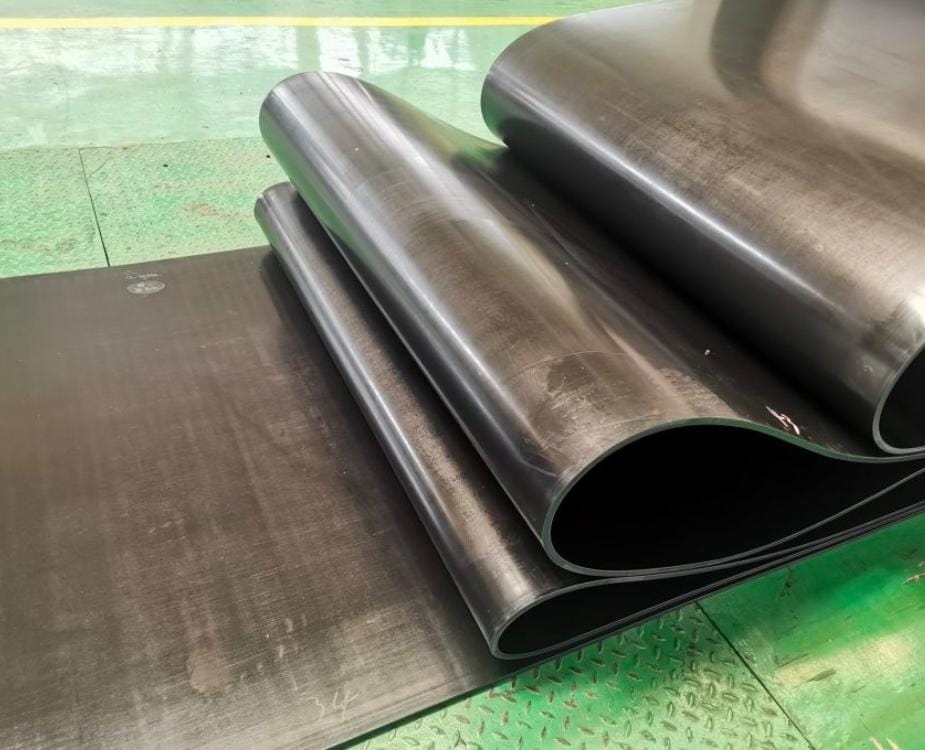
In today’s industrial landscape, the efficiency and reliability of conveyor belt systems, particularly the mining conveyor belt, are crucial. This article explores the necessity for continuous advancements in conveyor belt technology, highlighting recent developments and innovations. Key updates include improvements in material science, the integration of smart technologies, and the development of eco-friendly materials. These innovations have significantly enhanced operational efficiency and safety, reducing downtime, maintenance costs, and environmental impact. As industries evolve, embracing these technological advancements is essential for maintaining productivity and meeting safety standards.
Driving Efficiency and Innovation in Conveyor Belt Systems
In today’s fast-paced industrial landscape, the efficiency and reliability of conveyor belt systems are more critical than ever. Conveyor belts are the backbone of material handling operations in various industries, including mining, manufacturing, and logistics. As such, there is a constant need for continuous improvement in conveyor belt technology to keep up with the increasing demands for higher productivity, safety, and cost-effectiveness. This article delves into the imperative for ongoing advancements in conveyor belt systems and provides an overview of the recent developments and innovations shaping the future of this essential industry component.
The Need for Continuous Improvement in Conveyor Belt Technology
Conveyor belt systems have been integral to industrial operations for decades, facilitating the smooth and efficient movement of materials across various production stages. However, the challenges faced by modern industries necessitate continuous improvements in this technology. Factors such as increasing production volumes, the need for enhanced safety standards, and the drive for cost reduction are pushing manufacturers to innovate and upgrade their conveyor systems.
One primary driver for technological advancement is the need to reduce downtime and maintenance costs. Traditional conveyor belts, including steel cold conveyor belts and nylon conveyor belts, often suffer from wear and tear, leading to frequent breakdowns and costly repairs. By developing more durable materials and advanced monitoring systems, manufacturers can extend the lifespan of conveyor belts and ensure more reliable performance. Additionally, the growing emphasis on environmental sustainability is prompting the development of eco-friendly conveyor belts that minimize energy consumption and reduce carbon footprints.
Another critical aspect is the integration of smart technologies into conveyor belt systems. The advent of Industry 4.0 has introduced the concept of smart manufacturing, where interconnected devices and data analytics play a pivotal role. Conveyor belts equipped with sensors and IoT (Internet of Things) capabilities can monitor their own condition in real-time, predict maintenance needs, and optimize performance. This level of automation not only improves efficiency but also enhances safety by preventing accidents caused by belt failures.
Overview of Recent Developments and Innovations
Recent years have witnessed significant advancements in conveyor belt technology, driven by the need to address the challenges mentioned above. One notable development is the use of hybrid materials that combine the strength of traditional materials with the flexibility of modern composites. These hybrid belts offer superior resistance to abrasion and impact, making them ideal for heavy-duty applications.
Moreover, the introduction of modular conveyor belts has revolutionized the industry by providing customizable solutions that can be easily configured to meet specific operational requirements. These modular systems are not only easier to install and maintain but also allow for quick adjustments and expansions, thereby enhancing operational flexibility.
In the realm of smart technology, the implementation of advanced control systems and automation has brought about a new era of conveyor belt management. Predictive maintenance tools, powered by machine learning algorithms, can analyze data from sensors to predict potential failures before they occur. This proactive approach minimizes downtime and ensures uninterrupted production processes.
Additionally, the development of energy-efficient conveyor belts has gained momentum, with manufacturers focusing on reducing power consumption without compromising performance. Innovations such as low-friction coatings and energy-efficient drive systems contribute to significant energy savings, aligning with the global push towards sustainability.
Key Updates
Primary vs. Secondary Conveyor Belt Cleaners (Feb 13, 2024)
In mining operations, the cleanliness of conveyor belts is paramount to maintaining efficiency and prolonging the life of the equipment. On February 13, 2024, a detailed discussion was released focusing on the roles of primary and secondary conveyor belt cleaners. Primary cleaners are positioned at the head pulley and are responsible for removing the bulk of carryback material directly off the belt. They are typically rigid and can be made from various materials, including urethane and carbide, to match the specific needs of the operation.
Secondary cleaners, on the other hand, are installed further down the beltline, typically on the return side of the belt. They provide additional cleaning to ensure that any residual material left by the primary cleaner is effectively removed. Secondary cleaners often have more flexibility and can adjust to the belt’s surface, providing a more thorough cleaning. Both types of cleaners play a crucial role in preventing material buildup, which can lead to belt misalignment, increased wear, and potential safety hazards. By maintaining a clean belt, mining operations can achieve better efficiency, reduced maintenance costs, and a safer working environment.
Conveyors vs. Trucks (Jan 12, 2024)
The debate between using conveyor belts or trucks for bulk material handling has long been a topic of interest in various industries, including mining and construction. On January 12, 2024, an analysis was published comparing the cost efficiency and practicality of these two methods. Conveyor belts offer several advantages over trucks, particularly in terms of operational costs and environmental impact. Conveyors can transport large volumes of material over long distances with minimal energy consumption, making them a more cost-effective solution in the long run.
Trucks, while flexible and capable of navigating challenging terrains, incur higher operational costs due to fuel, maintenance, and labor. Additionally, trucks contribute to higher carbon emissions, which is a growing concern in the push for sustainable practices. The analysis highlights that for fixed routes, especially in large-scale operations, conveyors provide a more stable and efficient solution. However, in scenarios where flexibility and immediate deployment are crucial, trucks still hold an advantage. The key takeaway is that the choice between conveyors and trucks should be based on specific operational needs, distance, material type, and environmental considerations.
Top 7 Safety Features Your Conveyor Should Have (Jan 10, 2024)
Safety is a paramount concern in the operation of conveyor belts, especially in environments where heavy materials are being transported. On January 10, 2024, a comprehensive guide was released outlining the top seven safety features that modern conveyor systems should incorporate to comply with regulations and ensure the safety of workers. These features include:
- Emergency Stop Systems: Easily accessible emergency stop buttons or pull cords along the conveyor length to immediately halt operations in case of an emergency.
- Belt Alignment Systems: Devices that monitor the belt’s alignment and automatically adjust to prevent misalignment, reducing the risk of spillage and accidents.
- Guards and Barriers: Physical guards and barriers to protect workers from moving parts and prevent accidental contact with the belt or machinery.
- Regular Maintenance and Inspection Protocols: Scheduled maintenance and inspection routines to identify and rectify potential issues before they lead to accidents.
- Lockout/Tagout Procedures: Procedures to ensure that conveyor systems are properly shut down and de-energized during maintenance or repairs to prevent accidental start-ups.
- Warning Alarms and Indicators: Audible and visual alarms to alert workers to potential hazards or operational issues that need immediate attention.
- Training and Safety Programs: Comprehensive training programs for workers to understand the risks associated with conveyor systems and the proper procedures to follow in case of emergencies.
Implementing these safety features not only helps in complying with industry regulations but also creates a safer working environment, reduces the risk of accidents, and enhances overall operational efficiency.
Technological Innovations
Advances in Material Science
Recent years have seen remarkable advances in material science, leading to the development of conveyor belts that are more durable, efficient, and versatile. Traditional materials like rubber and metal are now being augmented or replaced with advanced composites and polymers. These new materials offer superior resistance to wear, impact, and extreme environmental conditions, thereby extending the lifespan of conveyor belts and reducing maintenance costs.
For instance, hybrid materials that combine the strength of traditional metals with the flexibility and lightweight properties of modern polymers are being increasingly used. These materials not only enhance the durability of the conveyor belts but also reduce energy consumption by making the belts lighter and more efficient to operate. Specifically, steel cord conveyor belts offer exceptional strength and longevity, making them ideal for heavy-duty applications. On the other hand, nylon conveyor belts are valued for their flexibility and excellent wear resistance, suitable for a wide range of industrial uses. Additionally, advances in material coatings have led to the creation of belts with improved friction properties, enhancing their performance in various industrial applications. Such innovations in material science are crucial for industries that require conveyor belts to operate under high-stress conditions, such as mining, manufacturing, and logistics.
Integration of Smart Technologies and Automation
The integration of smart technologies and automation into conveyor belt systems represents a significant leap forward in industrial efficiency and safety. The advent of Industry 4.0 has ushered in a new era where interconnected devices and data analytics play a pivotal role in optimizing operations. Conveyor belts are now equipped with sensors and Internet of Things (IoT) capabilities, allowing for real-time monitoring of their condition and performance.
These smart conveyor belts can detect issues such as misalignment, wear, and tear, and even predict maintenance needs before they become critical problems. By analyzing data from these sensors, operators can make informed decisions about maintenance schedules, thus minimizing downtime and preventing costly breakdowns. Furthermore, automation technologies enable conveyor systems to adjust their speed and operational parameters dynamically, optimizing the flow of materials and enhancing overall efficiency.
Another notable innovation is the use of machine learning algorithms to analyze operational data and predict potential failures. This predictive maintenance approach not only extends the life of conveyor belts but also ensures that production processes run smoothly without unexpected interruptions. The integration of smart technologies and automation is transforming conveyor belt systems into highly efficient, reliable, and intelligent components of modern industrial operations.
Development of Eco-Friendly Conveyor Belt Materials
With the increasing emphasis on sustainability and environmental responsibility, the development of eco-friendly conveyor belt materials has gained significant momentum. Traditional conveyor belts, often made from non-recyclable materials and requiring substantial energy to produce and operate, are being replaced with greener alternatives.
One of the key innovations in this area is the use of bio-based polymers and recycled materials in the manufacturing of conveyor belts. These materials reduce the environmental impact by minimizing the use of virgin resources and lowering carbon footprints. Additionally, conveyor belts designed with low-energy manufacturing processes and eco-friendly coatings contribute to more sustainable production practices.
Furthermore, eco-friendly conveyor belts are engineered to reduce energy consumption during operation. Innovations such as low-friction coatings and energy-efficient drive systems decrease the amount of power required to move materials, leading to significant energy savings. These belts not only help companies meet their sustainability goals but also offer economic benefits by reducing operational costs.
Transformative Innovations in Conveyor Belt Technology
The technological innovations in conveyor belt systems have profoundly impacted operational efficiency and safety across various industries. By integrating advanced materials, smart technologies, and eco-friendly solutions, these innovations have transformed the way conveyor belts operate, providing substantial benefits that extend far beyond the immediate improvements in performance and durability.
Impact on Operational Efficiency
The advancements in material science have led to the development of conveyor belts that are not only more durable but also more efficient. Hybrid materials and advanced composites offer superior resistance to wear and tear, reducing the frequency of maintenance and the associated downtime. This directly translates to higher productivity as operations can continue with fewer interruptions. Moreover, the lightweight nature of these new materials reduces the energy required to move the belts, resulting in significant energy savings and lower operational costs.
The integration of smart technologies and automation further enhances operational efficiency. Real-time monitoring and predictive maintenance capabilities allow for proactive management of the conveyor systems. Operators can identify potential issues before they escalate into serious problems, thereby preventing unexpected breakdowns and optimizing maintenance schedules. Automated systems can adjust operational parameters on-the-fly, ensuring that the conveyor belts operate at optimal speeds and capacities, thus maximizing throughput and minimizing waste.
Impact on Safety
Safety is a paramount concern in any industrial setting, and the innovations in conveyor belt technology have significantly contributed to creating safer working environments. The use of advanced materials not only improves the physical integrity of the conveyor belts but also reduces the risk of accidents caused by material failure. More durable and reliable belts mean fewer incidents of breakage or malfunction, which can be hazardous to workers.
Smart technologies play a crucial role in enhancing safety. Sensors and IoT devices provide continuous monitoring of the conveyor systems, allowing for immediate detection of anomalies such as belt misalignment, excessive wear, or overheating. This real-time data enables prompt interventions to rectify issues before they pose serious risks. Furthermore, automated emergency stop systems and safety interlocks ensure that conveyor belts can be quickly and safely shut down in case of emergencies, protecting both the workers and the machinery.
Eco-friendly conveyor belt materials also contribute to a safer working environment by reducing the exposure of workers to harmful chemicals and pollutants often associated with traditional materials. The shift towards sustainable materials and energy-efficient systems also aligns with broader industry trends towards greener operations, promoting overall health and safety.
Overall Impact
In conclusion, the technological innovations in conveyor belt systems are driving significant improvements in both operational efficiency and safety. The use of advanced, durable materials reduces maintenance needs and operational costs, while smart technologies and automation provide real-time monitoring and predictive maintenance capabilities, ensuring continuous and efficient operation. The development of eco-friendly materials not only supports sustainability goals but also enhances workplace safety.
These innovations collectively create a more robust, efficient, and safe conveyor belt system, enabling industries to meet the growing demands for productivity and safety standards. By embracing these advancements, companies can achieve a competitive edge, reduce their environmental impact, and provide safer working conditions for their employees. The future of conveyor belt technology holds even greater promise as ongoing research and development continue to push the boundaries of what is possible, paving the way for further enhancements in efficiency, safety, and sustainability.
Explore the latest innovations in conveyor belt technology enhancing efficiency, safety, and sustainability across various industries.
