
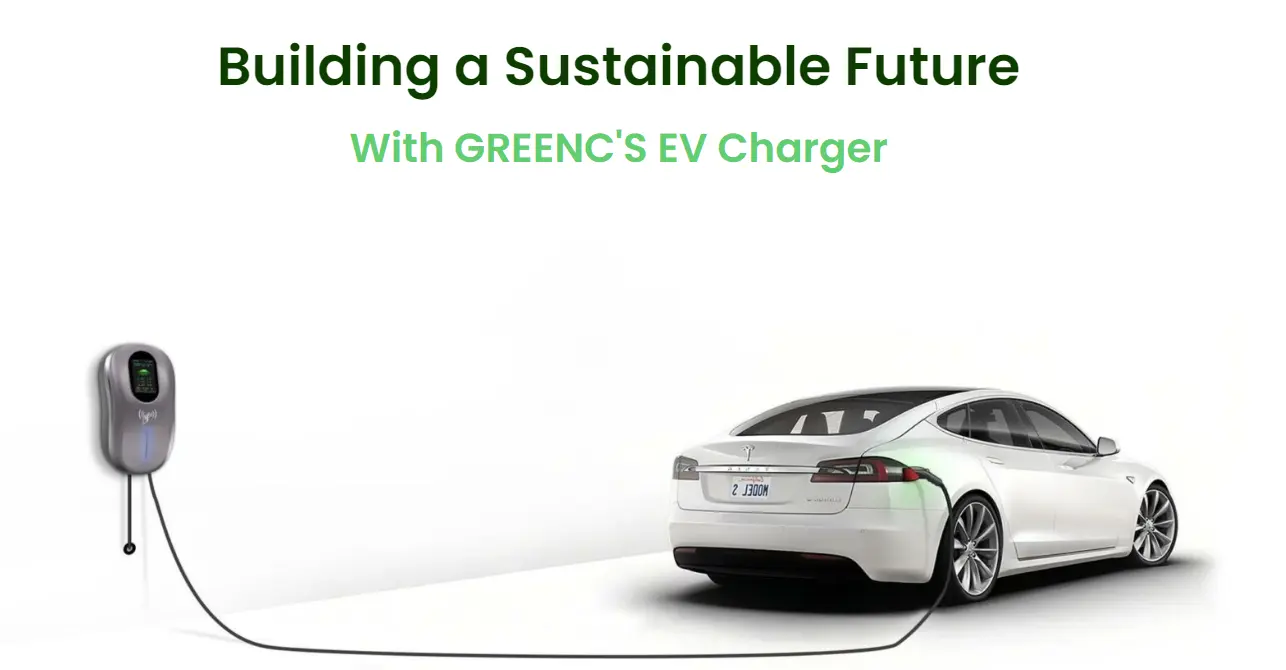
In the area of sustainable transportation, electric powered vehicles (EVs) stand out as a promising strategy to mitigate carbon emissions and decrease dependence on fossil fuels. As the sector gravitates closer to a greener future, the call for EVs is regularly growing. However, one crucial aspect that regularly gets much less attention is the infrastructure needed to support huge adoption—the EV charging infrastructure. With the surge in EV ownership, the want for green, reachable, and giant charging infrastructure has become greater urgent than ever.
The Rising Tide of Electric Vehicles
The shift closer to electric powered motors has received enormous momentum in current years. Governments worldwide are enforcing stringent emissions policies and presenting incentives to promote EV adoption. Consequently, main automakers are accelerating their production of electric motors, imparting customers a wide array of alternatives, from compact city automobiles to high priced SUVs.
The advantages of EVs are plain—reduced greenhouse gasoline emissions, lower gasoline prices, and quieter, smoother rides. However, the transition to electric mobility hinges not simplest at the availability of electric vehicles however additionally at the infrastructure to help them. This is in which the significance of EV charging infrastructure comes to the forefront.
The Importance of EV Charging Infrastructure
EV charging infrastructure is the spine of electrical mobility. Just as fuel stations are crucial for traditional vehicles, charging stations are vital for EVs. The availability of charging factors greatly impacts client self assurance in adopting electric motors. Without a sturdy charging infrastructure, EV proprietors may face “variety anxiety”—the concern of strolling out of battery strength earlier than attaining their destination.
Moreover, the accessibility and comfort of charging facilities play a pivotal position in encouraging EV adoption. Home charging stations are convenient for overnight charging, however public charging infrastructure is quintessential for longer trips and urban dwellers without the right of entry to private parking. Workplace charging stations additionally play a crucial role, permitting personnel to rate their automobiles whilst they paint.
Meeting the Demand: Challenges and Solutions
As the call for electric powered motors continues to develop, so too does the need for EV charging infrastructure. However, several challenges need to be addressed to make certain the vast adoption of EVs.
Range Anxiety: To alleviate variety tension, it is vital to increase the charging network, especially along highways and in urban regions. Fast-charging stations capable of replenishing EV batteries quickly are essential for lengthy-distance travel.
Infrastructure Investment: Governments and personal entities have to spend money on building charging infrastructure. This consists of installing charging stations in public areas, shopping facilities, and parking masses. Incentives consisting of grants, tax credit, and subsidies can inspire corporations to put money into charging infrastructure.
Interoperability and Standardization: Standardization of charging connectors and payment structures is critical for interoperability and ease of use. A seamless charging revel in, no matter the car make or charging community, is paramount for client convenience.
Grid Capacity: The improved call for power from charging stations necessitates improvements to the electric grid. Smart charging technologies, such as demand reaction and cargo control, can assist optimize grid utilization and reduce the need for costly infrastructure improvements.
Sustainability: Building sustainable charging infrastructure is essential to align with the environmental goals of electrification. Solar-powered charging stations, power-efficient designs, and utilizing renewable strength resources can lessen the carbon footprint of charging infrastructure.
Innovations Driving the Future of EV Charging
Despite the challenges, modern solutions are rising to pressure the destiny of EV charging infrastructure:
Ultra-Fast Charging: Technologies inclusive of extremely-fast chargers, capable of handing over as much as 350 kW of power, are revolutionizing EV charging by notably reducing charging times.
Wireless Charging: Wireless charging era gets rid of the need for physical connectors, offering a handy and trouble-free charging experience. It involves embedding charging pads in parking spaces or roads, allowing EVs to fee robotically at the same time as parked or using.
Battery Swapping: Battery swapping stations permit EV proprietors to alternate depleted batteries for fully charged ones, getting rid of the need for lengthy charging classes. This approach can extensively reduce charging times, making EVs more possible for commercial fleets and long-haul transportation.
Smart Charging Networks: Smart charging infrastructure makes use of superior algorithms and facts analytics to optimize charging schedules, limit grid effect, and decrease electricity prices. Vehicle-to-grid (V2G) technology allows EV batteries to discharge strength lower back to the grid in the course of height call for durations, enhancing grid balance and resilience.
Conclusion: Paving the Way for Electric Mobility
The transition to electric powered mobility represents a paradigm shift in transportation, presenting a cleanser, greater sustainable opportunity to standard motors. However, the fulfillment of this transition hinges on the development of strong EV charging infrastructure.
By addressing challenges along with variety anxiety, infrastructure investment, interoperability, grid potential, and sustainability, we will pave the way for widespread EV adoption. Innovations in the charging era, coupled with strategic investments and supportive rules, will boost up the transition toward a greener, more electrified future.
As we appear in advance, it’s glaring that the electrification of transportation isn’t always simply a trend, however a transformative pressure reshaping the car enterprise and riding us toward a more sustainable destiny. With concerted efforts and collaboration between governments, businesses, and stakeholders, we can construct the infrastructure needed to support the electrified global of tomorrow.
