
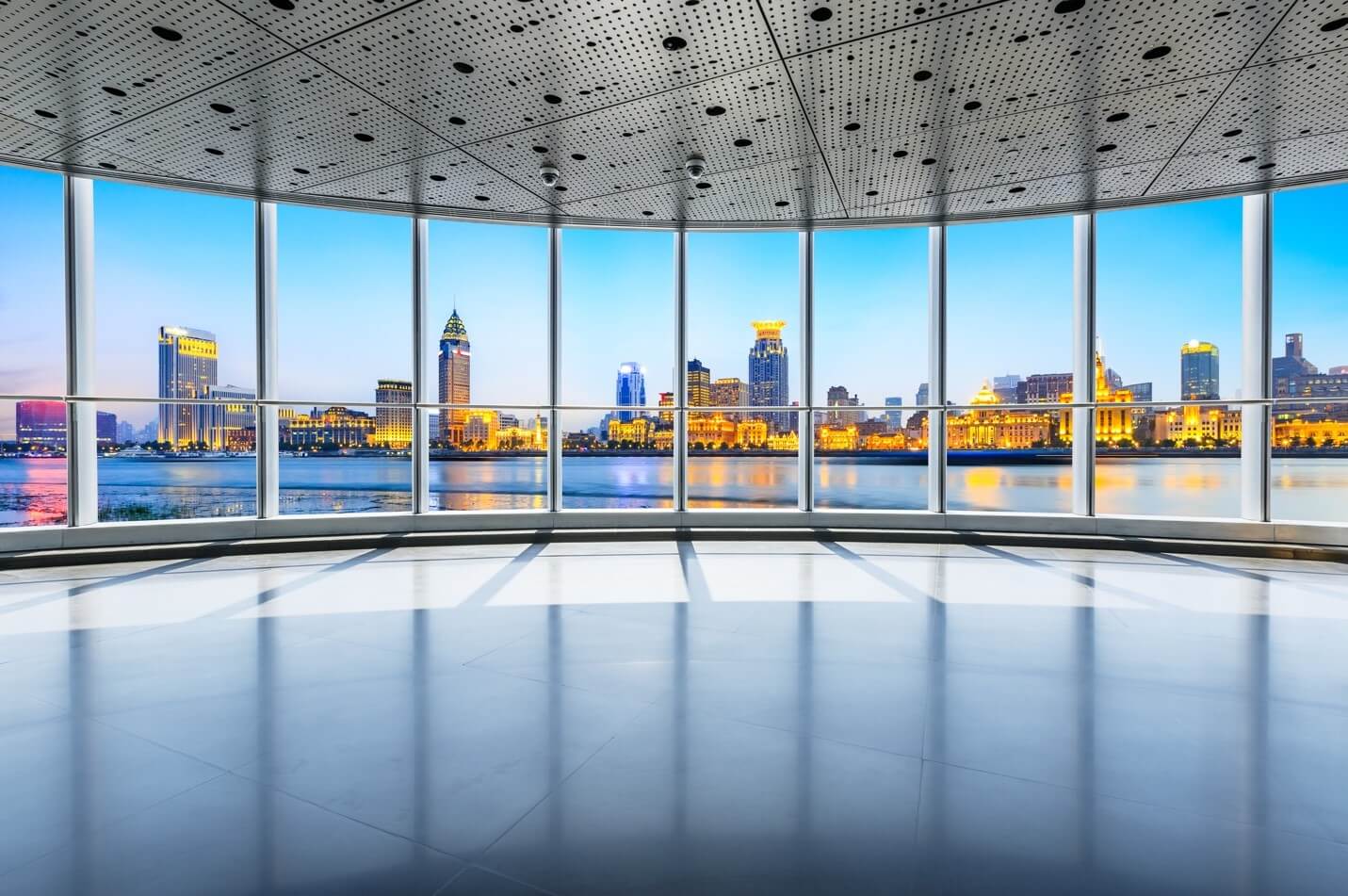
In the world of modern architecture and design, acrylic glass windows are becoming an increasingly popular choice for both residential and commercial properties. Known for their durability, clarity, and versatility, acrylic glass windows offer numerous advantages over traditional glass. This article delves into the myriad benefits of acrylic glass windows their applications, and why they are a smart choice for contemporary building projects.
What is Acrylic Glass?
Acrylic glass, also known as Plexiglas or polymethyl methacrylate (PMMA), is a transparent thermoplastic often used as a lightweight and shatter-resistant alternative to traditional glass. Developed in the early 20th century, acrylic glass has since evolved into a material that combines high optical clarity with exceptional strength. Unlike regular glass, acrylic glass can be easily molded, cut, and shaped, making it an ideal choice for a variety of architectural applications, including windows.
The material’s ability to maintain transparency while being significantly lighter than glass is one of its standout features. This quality makes acrylic glass particularly suitable for installations where weight and safety are concerns. Additionally, its excellent resistance to weathering and UV radiation ensures that acrylic glass windows remain clear and intact even in harsh environmental conditions.
The Aesthetic and Functional Benefits of Acrylic Glass Windows
Acrylic glass windows offer a perfect blend of aesthetic appeal and functional advantages. From an aesthetic perspective, these windows provide a sleek, modern look that can enhance the visual appeal of any building. The high transparency of acrylic glass allows for maximum light transmission, creating bright and inviting interiors. Furthermore, the clarity of acrylic glass is often superior to that of traditional glass, providing a clearer and more unobstructed view.
Functionally, acrylic glass windows are highly durable and impact-resistant. This makes them an excellent choice for buildings in areas prone to natural disasters such as earthquakes or hurricanes, where traditional glass windows might shatter. Additionally, acrylic glass is much lighter than traditional glass, which can reduce the structural load on buildings and allow for more innovative architectural designs.
Energy Efficiency and Environmental Impact
One of the significant advantages of acrylic glass windows is their energy efficiency. Acrylic glass has superior insulation properties compared to traditional glass, which can help in reducing heating and cooling costs. The material’s thermal resistance helps in maintaining indoor temperatures, thereby reducing the reliance on HVAC systems and leading to lower energy consumption.
Moreover, acrylic glass windows have a positive environmental impact. They are often more sustainable than traditional glass due to their longer lifespan and reduced need for replacement. Additionally, the production of acrylic glass is less energy-intensive, and many manufacturers now offer recyclable options, contributing to overall environmental sustainability. This makes acrylic glass an environmentally friendly choice for eco-conscious builders and homeowners.
Safety and Security Considerations
Safety is a paramount concern when it comes to building materials, and acrylic glass windows excel in this regard. Unlike traditional glass, acrylic glass does not shatter upon impact. Instead, it breaks into large, dull-edged pieces, reducing the risk of injury. This makes acrylic glass windows a safer option for homes with children or in public buildings where safety is a priority.
In terms of security, acrylic glass windows provide enhanced protection against break-ins. Their impact resistance makes them much harder to break than traditional glass, acting as a deterrent to potential intruders. For this reason, acrylic glass is often used in applications where security is crucial, such as storefronts, banks, and government buildings.
Maintenance and Longevity of Acrylic Glass Windows
Acrylic glass windows are known for their low maintenance requirements and long lifespan. The material is highly resistant to scratches and damage from environmental factors such as UV rays, which can cause yellowing or cloudiness in traditional glass. To maintain their clarity and appearance, acrylic glass windows typically require only regular cleaning with mild soap and water.
Additionally, acrylic glass is resistant to the buildup of grime and dirt, which can further reduce maintenance efforts. This durability translates to cost savings over time, as acrylic glass windows do not need to be replaced as frequently as traditional glass windows. Their longevity and ease of maintenance make them an attractive option for both residential and commercial applications.
Innovations and Future Trends in Acrylic Glass Windows
The future of acrylic glass windows is bright, with ongoing innovations aimed at enhancing their performance and applications. Researchers and manufacturers are continuously developing new formulations and coatings to improve the material’s durability, UV resistance, and energy efficiency. For instance, advancements in anti-reflective and self-cleaning coatings are making acrylic glass windows even more appealing for modern buildings.
Moreover, the trend towards sustainable building practices is driving the adoption of acrylic glass windows. As more builders and architects seek eco-friendly materials, the demand for recyclable and energy-efficient acrylic glass products is expected to grow. These innovations and trends indicate that acrylic glass windows will continue to play a significant role in the future of architecture and design.
Conclusion
Acrylic glass windows represent a modern, versatile, and practical alternative to traditional glass. With their superior clarity, durability, and energy efficiency, they offer numerous benefits that make them an excellent choice for contemporary building projects. From enhancing the aesthetic appeal of a property to providing safety and security, acrylic glass windows meet a wide range of needs and preferences. As innovations continue to improve their performance and sustainability, acrylic glass windows are poised to become an increasingly popular choice for architects, builders, and homeowners alike. Whether for residential or commercial use, the adoption of acrylic glass windows is a smart investment in the future of building design.
