
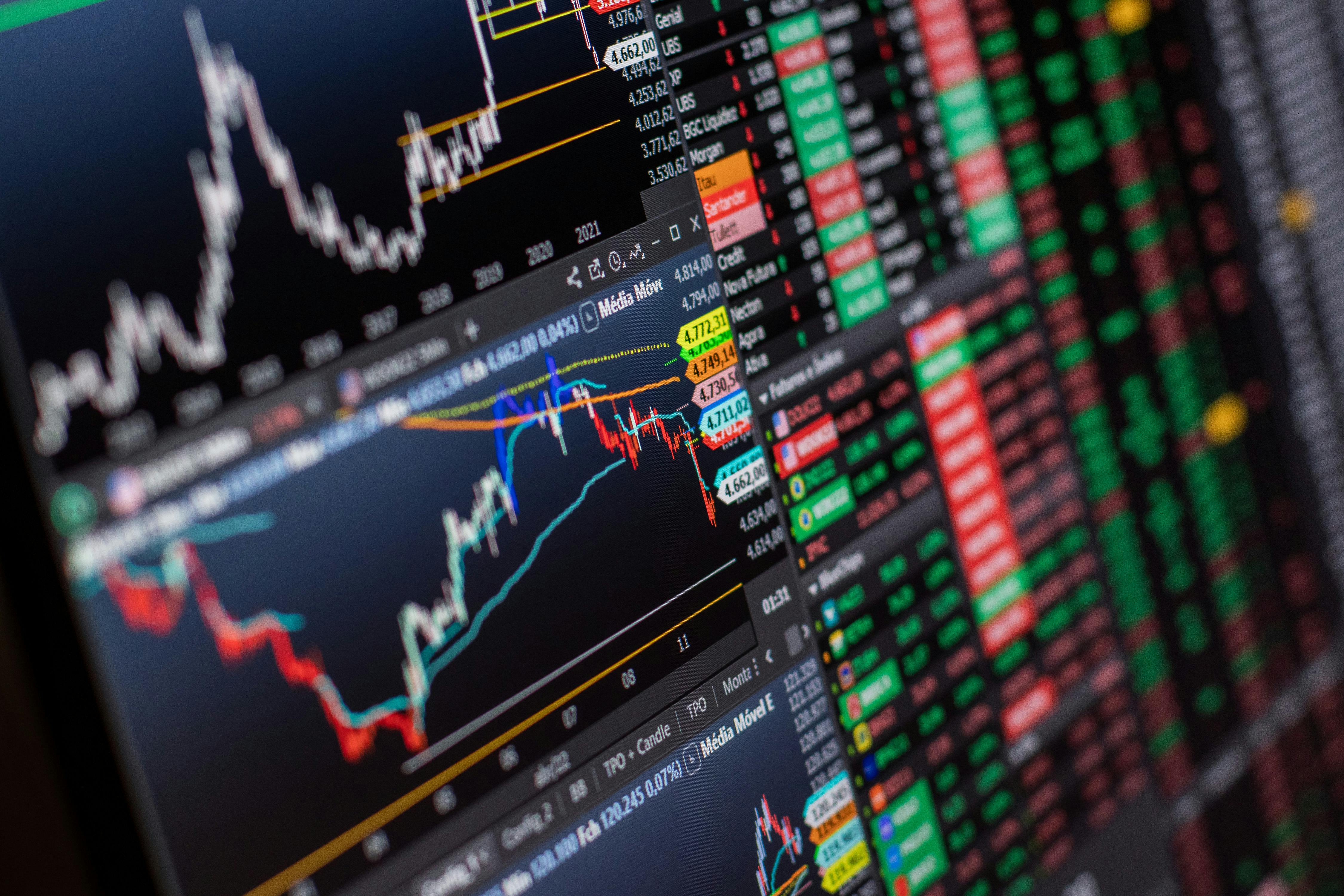
Trading used to feel off-limits to anyone outside Wall Street. Now, with multi-asset platforms and digital trading brokers, everyday people can access global markets right from their screens.
If you thought investing was just buying a few stocks and hoping things work out, you’re definitely not alone. That’s how it used to be. But the financial landscape has changed fast, and a big piece of that change is called multi-asset trading. Right at the heart of all this are trading brokers, not those old phone-based ones, but sleek digital platforms that let you access global markets in real time.
These days, investors aren’t sticking to just stocks. They’re trading forex, commodities, indices, ETFs, crypto ETFs, futures and options all from the same dashboard. And that’s where things start getting interesting.
What exactly is a trading broker?
A trading broker is your access point to financial markets. Think of them as the go-between connecting you to the exchanges where the real trading happens.
Unless you’re a large institution with special access, you can’t just step into most financial markets. Brokers make it possible for both regular and big-time investors to buy and sell financial instruments.
Today, brokers are all digital. You don’t have to call anyone to place a trade; you just log in, check live prices, play around with charts and execute trades instantly. But the real game-changer isn’t just speed. It’s access.
A look at advanced multi-asset platforms
Some platforms push the concept even further, mixing pro-level tools with broad market access. Take BitDelta.pro, for example: It’s a full-featured multi-asset trading platform offering professional tools and access to over 5,000 trading instruments, covering forex, indices, commodities, shares, ETFs, crypto ETFs, futures and options. It’s built for transparency and trustworthy execution, serving both individuals and institutions.
The real highlight isn’t just the number of products, it’s how everything comes together in one organized system. Traders face fewer hurdles between finding an opportunity and jumping on it.
Multi-asset trading is more than just stocks
Multi-asset trading means you aren’t tied down to one type of investment. You can jump across multiple categories of financial instruments on one platform. Usually, that covers:
- Forex (currency pairs like EUR/USD or GBP/USD).
- Indices (S&P 500, NASDAQ, you get the idea).
- Commodities (gold, oil, silver).
- Shares (individual stocks).
- ETFs (exchange traded funds).
- Crypto ETFs.
- Futures contracts.
- Options trading.
Here’s the gist: Different markets move in their own ways. When one slows down, another might be heating up. Multi-asset trading lets investors diversify and pivot to global conditions without fiddling with different platforms. It’s kind of like switching from a single-lane road to a big highway network.
Why trading brokers matter more than ever
If multi-asset trading is the end goal, brokers are the backbone that make it happen. Modern brokers don’t just execute trades. They offer tools, live data and systems to help investors make decisions on the fly. Here’s why they’re essential:
Global market access in one spot: Instead of juggling separate accounts for stocks, forex and crypto, you do everything under one login.
Real-time trade execution: Markets don’t wait. Good brokers make sure trades happen instantly, with minimal lag.
Advanced trading tools: Built-in charts, technical indicators and risk management features.
Smooth liquidity: Brokers link you to liquidity providers so trades flow smoothly, even when things get wild in the market.
Risk management: Stop-loss orders, margin controls and portfolio tracking help you avoid unnecessary losses.
The technology powering modern trading platforms
Most people don’t notice the serious tech behind that “buy” button. Modern brokers rely on several systems working together:
Cloud infrastructure
Trading platforms have to handle sudden spikes in activity, especially during big news. Cloud tech lets them scale up fast.
Low-latency execution engines
Every millisecond counts. These engines match buyers and sellers almost instantly.
API connectivity
APIs link brokers with global exchanges, liquidity sources and real-time market data.
Real-time data processing
Price feeds update constantly. Platforms crunch millions of data points per second to keep you up to speed.
Security systems
Encryption, multi-factor authentication and monitoring protect your account and your money.
While all this runs in the background, traders just see charts and controls.
Why multi-asset trading is booming
There’s a reason multi-asset trading has taken off lately. Markets are more linked than ever. One political event can shake up currencies, stocks and commodities all at once. Investors crave flexibility, not limits. Here’s what’s pushing this trend:
- Global uncertainty makes people want to diversify.
- Retail trading is rising thanks to mobile apps.
- Interest in crypto alongside classic assets is soaring.
- Faster internet and better trading tech..
- These days, everyone wants an all-in-one finance platform.
Instead of managing five accounts, people now prefer a single dashboard with everything in it.
How brokers make multi-asset trading easier
Without a broker, trading multiple assets would be a mess, you’d need separate accounts, tools and systems. A modern trading broker bundles everything into one place. You get:
- One account for all markets.
- Unified balance and portfolio tracking.
- Cross-asset analysis tools.
- Consistent execution standards.
- Centralized risk controls.
This helps active traders move between markets when volatility or opportunity strikes.
The importance of transparency and trust in trading
Trust often gets overlooked in trading. If you’re putting real money on the line, you want a fair and dependable system. That’s why modern brokers focus heavily on transparency. This means:
- Clear pricing without shady tricks.
- Detailed execution reporting.
- Visible order history.
- Regulated setups depending on the region.
- Real-time portfolio tracking.
Without trust, even the fanciest tech doesn’t count.
One platform, endless opportunities
Trading has come a long way from slow, single-market investing. Digital brokers and multi-asset platforms have turned investing into a flexible, connected experience.
Instead of thinking in silos; stocks, forex, etc., investors now scout for opportunities across all markets at once.
As tech keeps improving, the line between professional and retail trading keeps shrinking. In the end, it’s less about just having market access. It’s about having the right tools to navigate them quickly, confidently and with the power to manage risk.
