
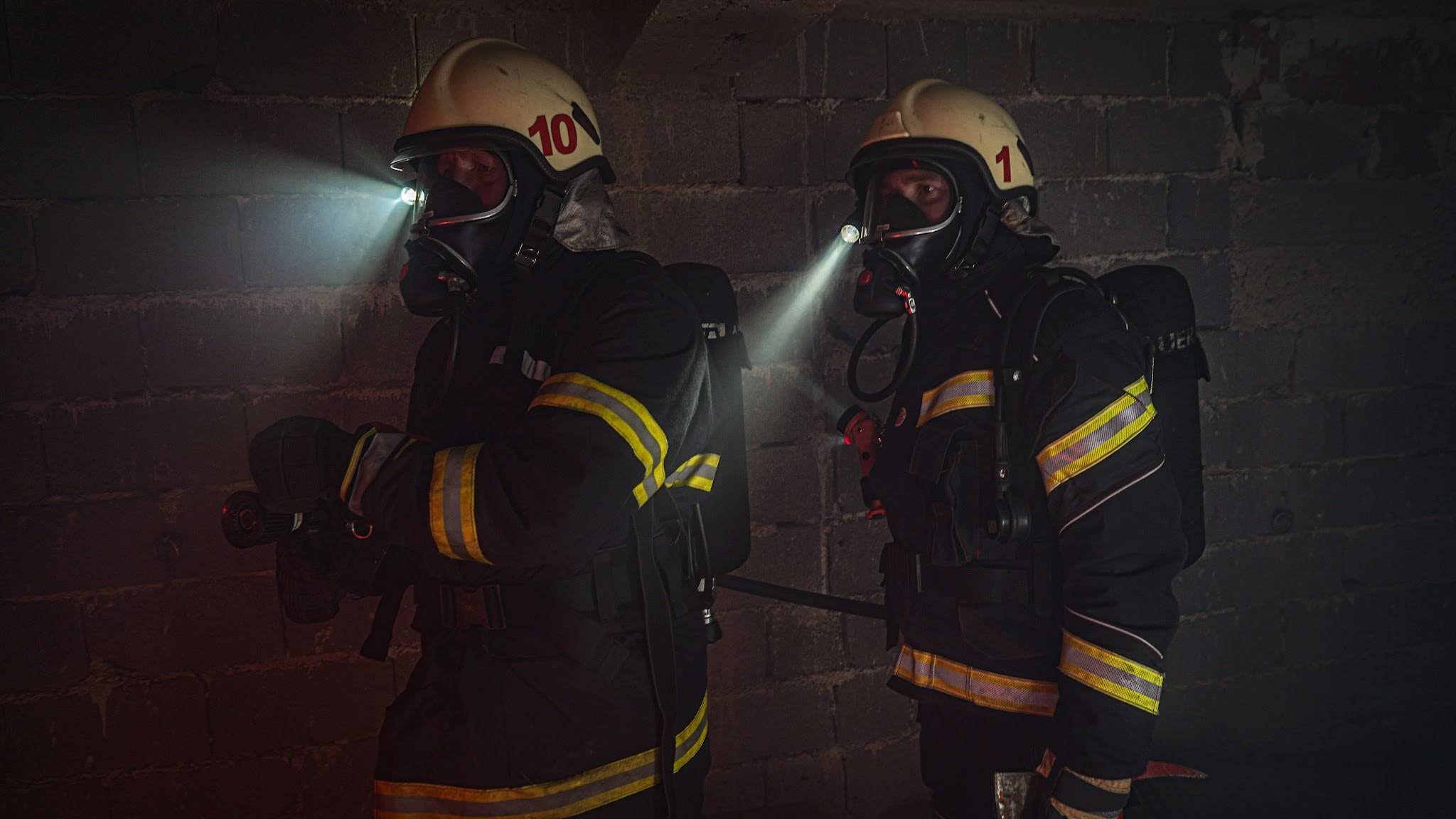
Most businesses don’t plan to break fire safety laws. It just happens in small steps. A system goes down, someone assumes it’s temporary, and the urgency fades. That’s how compliance gaps start, quietly and without intent.
When those gaps involve fire protection systems, the consequences escalate fast. Many managers still underestimate how quickly they are expected to act. The moment a system fails, fire watch guards stop being optional and become a legal expectation.
When Compliance Turns Into Liability
Fire codes are not written for convenience. They are built around worst-case scenarios. If a fire alarm or sprinkler system is offline, even for a short period, local regulations often require continuous monitoring by trained personnel.
This is where many businesses slip. They assume a few hours without coverage won’t matter. In reality, that assumption creates immediate exposure. Inspectors don’t measure intent. They measure compliance.
A commercial building with a disabled alarm system is already in violation if no fire watch is in place. It doesn’t matter if the issue is being fixed. The absence of active monitoring is enough to trigger penalties.
The Illusion of “Temporary” Risk
Short-term thinking causes most of the damage here. A maintenance team shuts down part of a system for repairs. Management decides to wait it out instead of arranging proper coverage. The reasoning sounds harmless. The system will be back soon, so why incur extra cost?
That logic ignores how fire incidents actually occur. They don’t align with maintenance schedules. A small electrical fault during that window is all it takes. Without active monitoring, detection is delayed. Response is slower. Damage multiplies.
Temporary risk is still risk. And legally, it is treated the same as long-term negligence.
Real Situations Where Businesses Get It Wrong
Construction sites are a common example. Welding work, exposed wiring, and fuel storage create a volatile mix. If fire protection systems are inactive, the requirement for a fire watch is immediate. Yet many contractors try to manage it internally with untrained staff.
Commercial renovations create similar problems. Systems are отключed in phases, leaving certain areas unprotected. These gaps are often overlooked until an inspection happens. By then, the violation is already on record.
Events bring a different kind of pressure. Temporary setups interfere with fire safety infrastructure. Organizers focus on logistics and crowd control, assuming safety systems are covered. When they aren’t, compliance becomes an issue right before the event opens.
Warehouses and industrial facilities face higher stakes. Flammable materials, large inventories, and wide spaces increase fire spread potential. A system failure here without proper monitoring is not just risky. It is reckless.
The Financial Impact No One Plans For
Most businesses resist fire watch services because of cost. They see it as an avoidable expense. That view doesn’t hold up when you look at the bigger picture.
Fines for non-compliance can escalate quickly, especially if violations are repeated. Authorities can halt operations until proper measures are in place. For a construction project, that means delays and contract penalties. For a business, it means lost revenue.
Insurance is another layer that gets ignored. If a fire occurs during a system failure and no fire watch was present, claims become complicated. Insurers look for reasons to limit payouts, and lack of compliance is an easy one.
Legal liability is where things get serious. If injuries or property damage occur, the absence of required fire watch coverage becomes a central issue. It shifts the narrative from accident to negligence.
Why Internal Fixes Don’t Work
Some companies try to handle fire watch internally. They assign security staff or maintenance teams to keep an eye on things. It feels efficient, but it rarely meets regulatory standards.
Fire watch is not passive observation. It requires structured patrols, detailed logging, hazard identification, and immediate escalation procedures. Without proper training, these elements are either missed or poorly executed.
Inspectors look for documentation. If patrol logs are incomplete or inconsistent, the coverage is considered inadequate. That turns an attempted solution into another compliance failure.
This is why businesses turn to specialized providers like Fast Fire Watch Guards. Professional teams follow defined protocols and understand what regulators expect.
If you want to understand how proper coverage is structured, this page on fire watch guards outlines what a compliant service actually involves.
The Reputation Factor Most Ignore
Legal and financial risks are obvious. Reputational damage is less visible but just as serious. When a business is found non-compliant with fire safety requirements, it raises questions about overall management standards.
Clients, tenants, and partners start to notice patterns. If safety is compromised in one area, they assume it might be compromised elsewhere. That perception is hard to reverse.
In industries like hospitality or commercial real estate, trust is a major asset. Losing it over preventable compliance issues is a poor trade-off.
Why This Keeps Happening
The root problem is not lack of information. It is lack of urgency. Businesses know fire watch exists, but they treat it as a secondary concern until forced to act.
Budget constraints play a role. So does overconfidence in internal teams. There is also a tendency to underestimate enforcement. Many assume inspections are infrequent or lenient.
That assumption fails the moment an inspector shows up or an incident occurs. At that point, decisions made earlier come under scrutiny.
A Better Way to Approach It
Fire watch should not be treated as a last-minute fix. It should be part of operational planning. When scheduling maintenance or renovations, the need for coverage should be built into the plan.
This reduces stress and avoids rushed decisions. It also ensures that compliance is maintained without interruption.
Clear protocols help. Knowing when to initiate fire watch, who to contact, and how to document it creates consistency. It turns a reactive process into a controlled one.
The Real Cost of Ignoring It
Skipping fire watch services during system failures is not a small oversight. It is a decision that carries legal, financial, and operational consequences.
The systems designed to protect a property can fail. That part is unavoidable. What matters is how that failure is managed.
Fire watch exists to bridge that gap. It provides active monitoring when automated systems are unavailable. Ignoring it removes that layer of protection.
At that point, the risk is no longer hidden. It becomes immediate, measurable, and difficult to defend.
